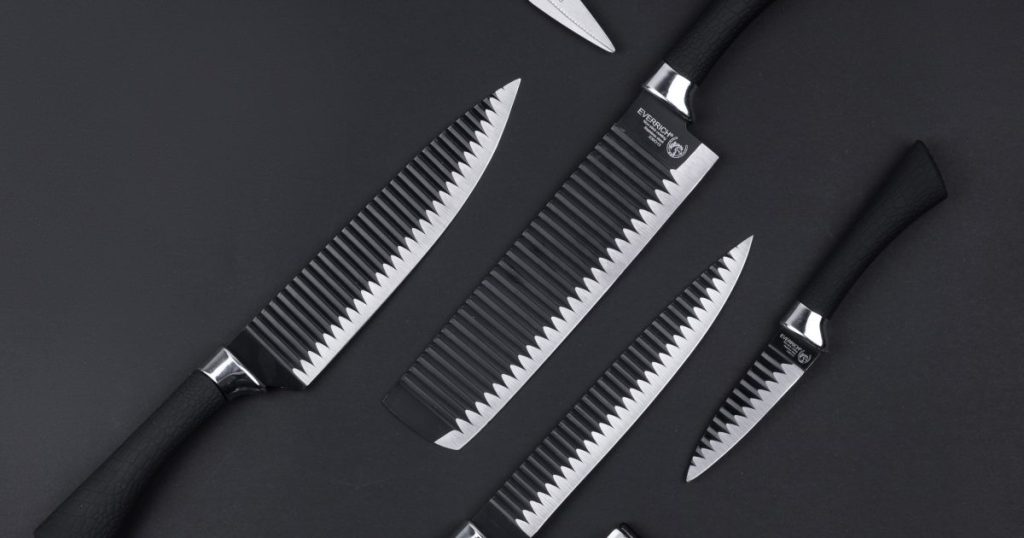
Evolution and History of Chef Knives is reviewed here through its stated design, intended uses, maintenance needs, safety considerations, advantages, drawbacks, and practical buying tradeoffs. This is an editorial overview, not a claim of hands-on testing.
The culinary world rests on the shoulders of various tools and kitchenware, but none more so than the chef knife. As we slice through the fabric of culinary history, it’s clear that chef knives have undergone significant evolution to become the quintessential utensils we know today.
The Origins:
Chef knives date back to ancient times, with early versions used in Rome and Greece. These were primarily utility knives with basic features suitable for different kitchen tasks.
The Evolution:
During the Middle Ages, the chef knife began to diversify with specific designs fit for the kitchen. By the 1800s, these knives had evolved into heavier and broader-bladed versions, which allowed for a more versatile range of cooking tasks.
The Modern Chef Knife:
It was in the 20th century that chef knives truly found their foothold in modern culinary arts. The innovative designs incorporated balance, grip, and a razor-sharp edge that could be easily re-sharpened. Today, professional chef knives are masterpieces of design and function, reflecting centuries of culinary development.
Choosing Quality Chef Knives:
Using quality chef knives is vital for multiple reasons. Not only do they provide precision and consistency in cutting, but they also ensure safety and efficiency. When selecting the ideal chef knife, one must consider:
- Blade Material: Look for high-carbon stainless steel for durability and ease of sharpening.
- Handle Comfort: Ergonomics plays a crucial role. The handle should feel comfortable and secure in your hand.
- Knife Weight and Balance: A well-balanced knife will make chopping and slicing easier and more enjoyable.
Types of Chef Knives and Their Uses:
Chef knives come in different shapes and sizes, each catering to specific tasks:
- The Classic Chef Knife: Ideal for chopping, slicing, and dicing a variety of foods.
- The Santoku Knife: By design, it is adapted for fine chopping and has a thinner blade.
- The Paring Knife: Perfect for peeling and other small or intricate work.
Prominent Brands:
When it comes to chef knives, there are several brands that stand out for their quality and craftsmanship:
- Wüsthof: Renowned for precision-forged knives that offer exceptional balance and sharpness.
- Global: These knives are famous for their one-piece, stainless steel design that provides a modern look and easy maintenance.
- Zwilling J.A. Henckels: Offers a range of knives, from traditional to contemporary styles, including santoku and paring knives.
Chef knives have not just evolved; they have ascended to become the heart of the kitchen. With such incredible diversity and sophistication, chef knives blur the lines between utility and art. Aspiring and professional chefs alike can uncover the rich tapestry of these culinary tools, each blade telling a story of historical significance and future potential.
Whether you’re in the market for your first professional set or seeking to upgrade your culinary arsenal, peruse our thoughtful reviews, such as the detailed analysis of the Wüsthof Classic Hollow Edge Knife Set or the versatility of the Zwilling J.A. Henckels Chef’s Knife, to make an informed decision on your next chef knife purchase.