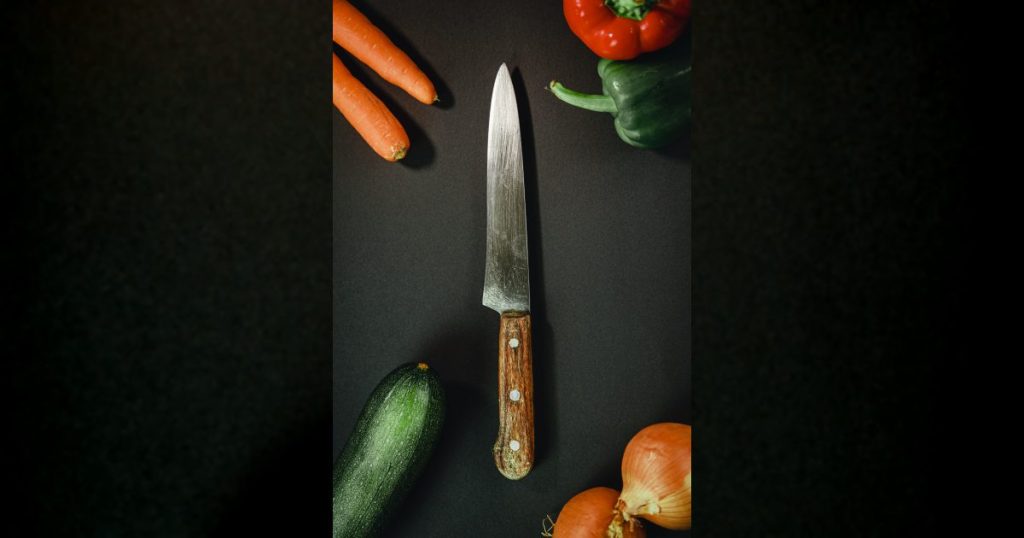
Our best overall chef knife for most home cooks is the Mercer Genesis M21078. Its forged German steel, secure Santoprene handle, and short bolster make it a practical all-purpose knife that is comfortable to maintain. The ZWILLING Four Star is the stronger traditional German alternative, while MOSFiATA and imarku cover tighter budgets. Dalstrong’s Spartan Ghost is the specialist choice for buyers who prioritize edge retention and are comfortable with more demanding sharpening.
Best chef knives in 2026 at a glance
| Pick | Blade and steel | Construction | Handle | Maintenance | Best use | Main drawback |
|---|---|---|---|---|---|---|
| Mercer Genesis M21078 | 8-inch, high-carbon German cutlery steel | Precision forged; short bolster; full tang | Textured Santoprene | Hand-wash; straightforward honing and sharpening | Best overall for daily prep | The grippy handle feels more utilitarian than luxurious |
| ZWILLING Four Star 8-inch | 8-inch FRIODUR high-carbon stainless steel | SIGMAFORGE, one-piece forged; pronounced bolster | Ergonomic polypropylene | Hand-wash; hone regularly | Classic German rocking cuts | Full bolster can complicate sharpening near the heel |
| Dalstrong Spartan Ghost 8-inch | 8-inch S35VN powdered steel; DLC coating | Full tang; thin 1.6 mm spine; 9–11° edge | D-shaped resin and ash | Use fine abrasives and controlled angles | Premium edge retention and precise slicing | Harder steel and acute geometry are less forgiving |
| MOSFiATA 8-inch | 8-inch EN1.4116 high-carbon stainless steel; 16° per side | Full tang | Micarta-style handle | Hand-wash; bundled sharpener is basic | Best value bundle | Accessories should not outweigh fit, balance, and grind quality |
| imarku 8-inch | 8-inch high-carbon stainless-steel gyuto-style blade | Full-tang-style general-purpose design | Ergonomic wood-look handle | Dry promptly; sharpen as needed | Best budget starter knife | Finish and long-term edge consistency may trail forged premium knives |
How we selected these five knives
A chef knife should handle the repetitive work that dominates home cooking: chopping onions, mincing herbs, slicing boneless proteins, and breaking down firm vegetables. We prioritized an approximately eight-inch blade because it offers useful board clearance and cutting length without becoming unwieldy for most adults. We then compared steel, grind, bolster shape, handle security, balance, maintenance, warranty support, and whether each knife offers a clear reason to choose it over the others.
Steel hardness alone did not decide the ranking. Harder steel can hold an acute edge longer, but it can also take more skill to sharpen and may be less tolerant of twisting, bones, frozen food, or hard impacts. Likewise, a heavy forged knife is not automatically better than a lighter design. The right choice depends on grip, cutting style, maintenance habits, and the food you prepare.
1. Mercer Genesis M21078 — best overall
The Mercer Genesis M21078 is the most balanced recommendation in this group. Mercer specifies a precision-forged, high-carbon German cutlery-steel blade, a short bolster, a full tang, and a Santoprene handle. The short bolster leaves more of the heel accessible for sharpening and gives pinch-grip users room to work. Its textured handle favors security when hands are damp, an important everyday advantage that glossy handles can miss.
Choose it if you want one dependable workhorse for vegetables, herbs, and boneless meat and prefer easy upkeep over boutique materials. Its chief compromise is presentation: the rubberized handle is practical, but it does not have the traditional appearance of wood or the sculpted finish of the Dalstrong. Read our full Mercer Genesis M21078 review for the product-specific assessment and links.
2. ZWILLING Four Star 8-inch — best classic German knife
The ZWILLING Four Star uses the brand’s special-formula high-carbon stainless steel, ice-hardened FRIODUR blade, and SIGMAFORGE one-piece construction. The curved belly and substantial bolster suit cooks who use a rocking motion and like the planted feel associated with traditional German chef knives. Its molded polypropylene handle has no exposed rivets, so it is comfortable and simple to wipe clean.
The pronounced bolster is also the main limitation. It adds finger protection and familiar balance, but over years of sharpening it can make the heel harder to keep level with the rest of the edge. It also feels less agile than a thin Japanese-style knife. See the ZWILLING Four Star 8-inch review before choosing it for a classic profile and heavier feel.
3. Dalstrong Spartan Ghost 8-inch — best premium edge-retention option
Dalstrong positions the Spartan Ghost as a high-performance hybrid. Its current specification lists S35VN powdered steel, a diamond-like carbon coating, a narrow 9–11-degree edge, a 1.6 mm spine, full-tang construction, and a D-shaped resin-and-ash handle. That combination aims for low cutting resistance and longer edge retention. It is the most technically ambitious knife here and the strongest option for cooks who value precise slicing.
The tradeoff is ownership effort. An acute, hard edge rewards careful board contact and controlled sharpening; it should not be twisted through joints, used on frozen food, or dropped into a sink. The asymmetrical-feeling D handle may also favor some grips. Our Dalstrong Spartan Ghost review provides more context before you pay for the upgraded steel and finish.
4. MOSFiATA 8-inch — best value bundle
MOSFiATA’s listing specifies EN1.4116 stainless steel, a 16-degree-per-side edge, full-tang construction, and a textured handle. The commonly sold package also includes a finger guard, sharpener, and blade guard. That makes it convenient for a first kitchen setup or a gift where basic accessories are useful.
Judge the knife first and the extras second. Pull-through sharpeners can remove more metal than necessary and may not create as refined an edge as a whetstone or professional service. Buyers should also expect more unit-to-unit variation than from established forged-knife lines. Review the MOSFiATA 8-inch review for the complete product discussion.
5. imarku 8-inch — best budget option
The imarku is an accessible eight-inch, gyuto-inspired general-purpose knife with a high-carbon stainless blade and an ergonomic wood-look handle. It is a sensible first step for someone replacing a blunt supermarket knife, especially when the alternative is an oversized block filled with tools they will rarely use.
Its value depends on expectations. Budget knives can perform well when sharp, but consistency of grind, finish, and long-term edge retention may not match the Mercer or ZWILLING. Inspect the edge on arrival, avoid the dishwasher, and budget for sharpening. Start with our imarku 8-inch review rather than treating its marketing claims as test results.
Which chef knife should you buy?
- Choose Mercer for the safest all-round balance of grip, serviceability, and proven construction.
- Choose ZWILLING if you prefer a heavier German profile, rocking cuts, and an enclosed synthetic handle.
- Choose Dalstrong if edge retention and thin slicing matter more than easy sharpening and rough-use tolerance.
- Choose MOSFiATA if you need a useful starter package and accept that the included accessories are basic.
- Choose imarku for a low-cost entry into an eight-inch chef knife without buying a full block.
Buying guidance: fit matters more than marketing
If possible, handle a comparable knife before buying. With a pinch grip, the spine and bolster should not create a hot spot against your index finger. The handle should stay secure without forcing you to squeeze. A six-inch blade suits smaller boards and hands; an eight-inch blade is the versatile default; a ten-inch blade adds cutting length but needs more space and confidence.
Do not use a chef knife as a cleaver, screwdriver, can opener, or bone chopper. For crusty bread, choose a serrated bread knife; for joints and bones, use an appropriate cleaver or boning tool. A focused starter kit is usually one chef knife, one paring knife, and one serrated bread knife rather than a large matching block.
Care and limitations
Hand-wash each knife with mild soap, dry it immediately, and store it in a block, sheath, drawer insert, or on a secure magnetic strip. Use wood or forgiving synthetic cutting boards; glass, stone, and ceramic boards dull edges quickly. A honing rod realigns a fatigued edge but does not replace sharpening. Sharpen when honing no longer restores clean slicing, following the maker’s edge-angle guidance or using a reputable service.
This comparison is research-based, so it cannot predict how every handle will fit your hand or quantify edge retention under identical controlled use. Specifications can also change. Confirm the current model details with the manufacturer and inspect the retailer’s exact listing before purchase.
Frequently asked questions
Is an eight-inch chef knife best for everyone?
No. Eight inches is the most versatile starting point, but a six- or seven-inch knife can feel safer in a small kitchen, while a ten-inch knife gives experienced cooks more cutting length. Comfort and board size should decide.
Is German steel better than Japanese steel?
Neither category is universally better. Many German-style knives emphasize toughness, a curved profile, and easier maintenance. Many Japanese-style knives emphasize thinner geometry and acute edges. Individual alloy, heat treatment, grind, and build quality matter more than the country label.
Should a chef knife go in the dishwasher?
No. Detergent, heat, moisture, and contact with other utensils can damage the edge, handle, and finish. Hand-washing and immediate drying take less time than repairing a chipped or corroded knife.
How often should I sharpen it?
Sharpen when the knife slips on tomato skin or requires pressure for food it once cut cleanly. The interval depends on steel, board material, frequency, technique, and whether you hone. There is no honest universal calendar.
Sources checked for this update
- Mercer Culinary: Genesis short-bolster chef’s knife
- ZWILLING: Four Star 8-inch chef’s knife
- Dalstrong: Spartan Ghost 8-inch chef knife
- imarku official site
Our product-review pages may contain affiliate links. This guide uses editorial links to those reviews; it does not link directly to retailers.